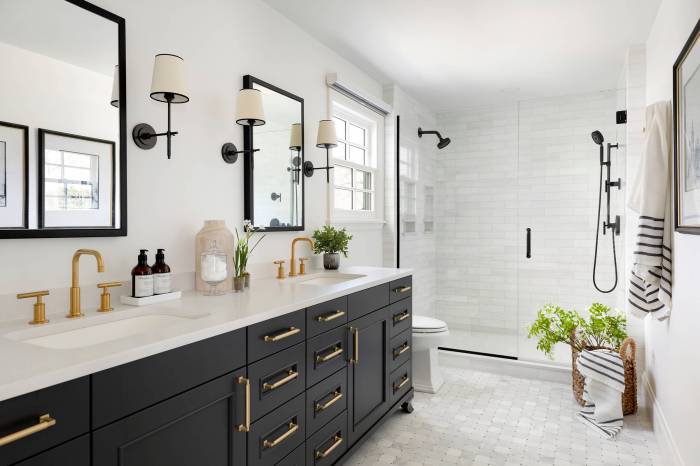
Bathroom renovations in 2024 are poised for a significant shift, moving beyond mere aesthetic upgrades to encompass sustainability, smart technology integration, and enhanced functionality. This year’s trends reflect a growing awareness of environmental responsibility, a desire for personalized comfort, and a focus on maximizing space and storage within even the smallest bathrooms. Expect to see a blend of classic and contemporary styles, incorporating innovative materials and technological advancements to create luxurious and efficient spaces.
From eco-friendly materials and water-saving fixtures to smart toilets and sophisticated lighting designs, the 2024 bathroom remodel landscape offers a diverse range of options to suit every taste and budget. This exploration delves into the key design elements, technological integrations, and budget considerations shaping the future of bathroom design.
Top Bathroom Remodel Styles in 2024
Bathroom renovations are experiencing a surge in popularity, with homeowners increasingly seeking to create relaxing and functional spaces. 2024 sees a continuation of several established trends, alongside the emergence of some exciting new design directions. This section will highlight three of the most prevalent bathroom remodel styles expected to dominate this year.
Modern Minimalist Bathrooms
Modern minimalist bathroom designs prioritize clean lines, functionality, and a sense of spaciousness. Clutter is avoided, with emphasis placed on high-quality materials and a neutral color palette. This style creates a calming and sophisticated atmosphere.
| Style | Color Palette | Materials | Image Description |
|---|---|---|---|
| Modern Minimalist | Whites, greys, blacks, with subtle accents of muted blues or greens. | Porcelain tile, concrete, glass, chrome fixtures, natural wood accents (used sparingly). | A spacious bathroom with a large walk-in shower featuring sleek, frameless glass doors. The walls are clad in large, off-white porcelain tiles, and the flooring is a matching concrete. Minimalist black faucets and showerhead stand out against the light background. A floating vanity with a simple, integrated sink completes the clean look. |
Spa-Inspired Bathrooms
Spa-inspired bathrooms aim to create a tranquil and luxurious retreat within the home. This style focuses on creating a relaxing atmosphere conducive to self-care and rejuvenation. Natural materials and calming colors are key components.
| Style | Color Palette | Materials | Image Description |
|---|---|---|---|
| Spa-Inspired | Soft neutrals like beige, cream, and taupe, accented with calming greens and blues. | Natural stone (marble, travertine), bamboo, textured wall coverings, freestanding soaking tub, dimmable lighting. | A bathroom dominated by a large, freestanding oval bathtub situated beneath a large window allowing natural light to flood the room. The walls are clad in warm beige travertine, and the floor is a matching mosaic tile. Plants and soft lighting contribute to a peaceful ambience. A simple wooden vanity with a vessel sink adds a touch of rustic charm. |
Traditional Bathrooms with a Modern Twist
This style blends classic elegance with contemporary elements, resulting in a timeless yet updated look. Traditional design elements such as clawfoot tubs or ornate detailing are incorporated, but with modern materials and a simplified color palette.
| Style | Color Palette | Materials | Image Description |
|---|---|---|---|
| Traditional with Modern Twist | Warm whites, creams, and soft grays, with pops of jewel tones like emerald green or sapphire blue. | Classic subway tile, marble countertops, a blend of traditional and modern lighting fixtures, a clawfoot tub paired with a sleek, contemporary shower. | A bathroom featuring a classic white clawfoot tub positioned opposite a modern walk-in shower with glass enclosure and rainfall showerhead. Subway tiles in a classic white finish cover the walls, while the floor is composed of large, neutral-toned porcelain tiles. A marble-topped vanity with modern brushed nickel hardware provides a touch of contemporary elegance. |
Sustainable and Eco-Friendly Bathroom Design Trends
The increasing awareness of environmental concerns is significantly impacting bathroom renovation choices. Homeowners are actively seeking ways to minimize their environmental footprint, leading to a surge in demand for sustainable and eco-friendly bathroom designs. This trend encompasses the selection of materials, the implementation of water-saving technologies, and a conscious effort to reduce waste throughout the renovation process. The focus is shifting from purely aesthetic considerations to a holistic approach that prioritizes both style and environmental responsibility.The use of sustainable materials is a cornerstone of eco-conscious bathroom design.
This involves opting for materials with lower embodied carbon footprints, prioritizing recycled or reclaimed options, and selecting materials sourced responsibly and ethically. Furthermore, choosing materials with inherent durability and longevity reduces the need for frequent replacements, minimizing waste over the long term. The trend extends beyond just the materials themselves; it encompasses the entire lifecycle of the product, from its sourcing and manufacturing to its eventual disposal or repurposing.
Sustainable Materials in Bathroom Renovations
Many sustainable materials are now readily available for bathroom renovations. Bamboo, a rapidly renewable resource, offers a beautiful and durable alternative to traditional hardwoods for vanities and shelving. Reclaimed wood, salvaged from old buildings or demolished structures, provides unique character and reduces the demand for newly harvested timber. Recycled glass tiles offer a stunning visual appeal while diverting waste from landfills.
Finally, natural stone, such as sustainably sourced marble or granite, provides elegance and durability while minimizing environmental impact when mined responsibly. The key is to verify the sourcing and certification of these materials to ensure their environmental benefits are genuine.
Water-Saving Fixtures and Their Impact
Water conservation is another critical aspect of sustainable bathroom design. Low-flow showerheads and faucets significantly reduce water consumption without compromising performance. Dual-flush toilets use less water per flush compared to traditional models. Water-efficient appliances, such as washing machines and dishwashers (if included in the bathroom space), further contribute to reducing overall water usage. The cumulative impact of these fixtures is substantial, leading to lower water bills and a reduced environmental footprint.
For example, replacing a standard showerhead with a low-flow model can save hundreds of gallons of water annually per household.
Designing a Sustainable Bathroom with Reclaimed Materials
Imagine a bathroom renovation incorporating reclaimed materials. The vanity could be crafted from reclaimed barn wood, its weathered patina adding rustic charm. The countertop could be made from recycled glass, its shimmering surface reflecting light beautifully. The flooring could be composed of reclaimed ceramic tiles, each tile telling a story of its past life. The shower walls could be clad in sustainably harvested bamboo, its natural warmth contrasting with the cooler tones of the recycled glass.
Even the sink could be a repurposed vintage basin, its unique character adding a touch of history to the space. Sourcing these materials might involve visiting salvage yards, contacting demolition companies, or working with suppliers specializing in reclaimed and recycled materials. The design would be unique, environmentally responsible, and visually striking.
Smart Bathroom Technology Integration
The integration of smart technology is rapidly transforming the bathroom from a purely functional space into a personalized and efficient haven. 2024 sees a surge in homeowners seeking to incorporate these advancements, prioritizing convenience, luxury, and sustainability. This section will explore three key technologies gaining traction and analyze their advantages and disadvantages within the context of a bathroom remodel.Smart toilets, voice-activated shower systems, and smart mirrors are three key smart bathroom technologies gaining popularity in 2024.
Each offers a unique set of benefits and drawbacks that must be carefully considered during the planning stages of a remodel. Proper integration requires careful consideration of existing plumbing, electrical systems, and overall bathroom design.
Smart Toilets
Smart toilets represent a significant leap forward in bathroom technology. They offer a range of features beyond basic functionality, enhancing both comfort and hygiene. These features often include heated seats, automatic flushing, bidet functions, and even air drying. The benefits of installing a smart toilet include increased comfort, improved hygiene, and potential water savings through efficient flushing mechanisms.
However, drawbacks include the higher initial cost compared to traditional toilets, potential complexity in installation (requiring specialized plumbing), and the possibility of malfunctions requiring professional repair. Different models vary significantly in functionality. Some offer basic heated seats and automatic flushing, while others include sophisticated features such as night lights, deodorizers, and even self-cleaning functions. Higher-end models often incorporate smartphone connectivity, allowing users to control settings remotely.
For example, the Toto Neorest series offers a wide range of smart toilet options, each with varying levels of sophistication and price points. In contrast, more budget-friendly options from brands like Kohler might offer a more limited selection of smart features.
Voice-Activated Shower Systems
Voice-activated shower systems, enabled through smart speakers or integrated controls, are becoming increasingly popular. They allow users to control water temperature, pressure, and even the duration of their shower with voice commands, enhancing convenience and accessibility. The advantages include hands-free operation, particularly beneficial for individuals with mobility limitations, and the ability to pre-set preferred shower settings for a personalized experience.
However, the integration of voice-activated systems requires careful planning and may necessitate additional wiring and potentially a dedicated smart home hub. The potential for malfunctions due to connectivity issues or software glitches also needs to be considered. Examples of such systems are often integrated into larger smart home ecosystems such as those offered by Amazon Alexa or Google Home, allowing for seamless control alongside other smart devices within the home.
Smart Mirrors
Smart mirrors are transforming the bathroom into a personalized grooming and information center. These mirrors often incorporate features such as integrated lighting, magnification, Bluetooth connectivity for playing music, and even displays for news, weather, or calendar information. The benefits include improved visibility during grooming tasks, enhanced convenience with integrated technology, and the ability to personalize the mirror’s functionality to individual needs.
The drawbacks include the high cost of smart mirrors, potential privacy concerns related to data collection (if the mirror has internet connectivity), and the complexity of installation, which might require specialized wiring and integration with existing smart home systems. Consider, for example, mirrors from brands that offer options ranging from basic backlit models to those with extensive touchscreen capabilities and advanced connectivity features.
The added convenience and functionality must be weighed against the increased cost and potential technical complexities.
Bathroom Storage and Organization Solutions

Effective storage is paramount in any bathroom, but especially crucial in smaller spaces. Clever solutions can transform a cramped bathroom into a functional and aesthetically pleasing haven. This section explores innovative storage ideas to maximize space and enhance organization.
Innovative storage solutions for small bathrooms often involve utilizing vertical space, incorporating hidden storage, and choosing multi-functional furniture. Think sleek, wall-mounted cabinets that blend seamlessly with the overall design, or mirrored medicine cabinets that offer both storage and reflective surfaces to enhance the feeling of spaciousness. Clever use of the space above the toilet, often overlooked, can provide substantial additional storage.
Space-Saving Bathroom Storage Ideas
The following list Artikels practical space-saving strategies for efficient bathroom storage, ensuring every inch is utilized effectively. These ideas cater to various bathroom sizes and styles, offering versatile solutions for a clutter-free environment.
- Over-the-Toilet Storage: Install a tall, narrow cabinet above the toilet to store towels, toiletries, and cleaning supplies. Choose a cabinet that complements your bathroom’s style, whether it’s a sleek modern design or a more traditional aesthetic.
- Recessed Shelving: If remodeling, consider building recessed shelving into the walls. This maximizes storage while maintaining a clean, uncluttered look. The shelves can be customized to fit your specific needs and preferences.
- Floating Shelves: Floating shelves offer a stylish and space-saving solution. They can be installed at various heights to accommodate different items, and their minimalist design adds a modern touch to the bathroom.
- Ladder Shelving: A leaning ladder shelf can be a unique and functional addition, offering open storage for towels or decorative items. It’s a great option for adding character and visual interest.
- Utilize Vertical Space: Maximize vertical space by using tall, narrow cabinets or stacking storage containers. This keeps items off the floor and prevents a cluttered feel.
- Under-Sink Storage: Utilize the space under the sink with pull-out drawers or organizers. This makes it easy to access items and prevents them from getting lost in the back of the cabinet.
- Corner Shelves: Corner shelves are perfect for utilizing often-wasted space. They are ideal for storing smaller items such as toiletries and cosmetics.
Maximizing Storage Space with Built-in Shelving and Custom Cabinetry
Built-in shelving and custom cabinetry offer a highly effective approach to maximizing bathroom storage. Tailored solutions ensure that every inch of space is utilized optimally, creating a functional and aesthetically pleasing environment. The design flexibility allows for seamless integration with the overall bathroom design.
For example, a homeowner with a small bathroom could opt for a custom vanity with deep drawers and pull-out shelves. This provides ample storage while maintaining a sleek and modern aesthetic. Alternatively, built-in recessed shelving above the vanity could house toiletries and other frequently used items, keeping them within easy reach. The use of mirrored doors on cabinets further enhances the feeling of spaciousness.
A well-designed built-in system allows for efficient storage of towels, toiletries, cleaning supplies, and even linens, keeping the bathroom organized and clutter-free.
Bathroom Lighting Design and Ambiance
Proper bathroom lighting is crucial for both functionality and creating a desired atmosphere. A well-lit bathroom is not only safer and more practical but also contributes significantly to the overall aesthetic and mood. Beyond simply illuminating the space, lighting design can transform a functional room into a relaxing sanctuary or a vibrant, energizing space.
Layered lighting is a key technique for achieving the perfect balance of illumination and ambiance in a bathroom. This involves using a combination of different lighting types to create various levels of brightness and highlight specific areas. This approach addresses the diverse needs of a bathroom, from bright task lighting for applying makeup to soft ambient lighting for a relaxing soak in the tub.
Bathroom Lighting Zones and Types
The following table illustrates how different lighting types can be effectively used in various bathroom zones to achieve specific purposes.
| Lighting Type | Zone | Purpose | Image Description |
|---|---|---|---|
| Recessed Lighting | Ceiling | Provides general, overall illumination; excellent for task lighting in areas like the shower or vanity. | A ceiling showing several small, flush-mounted circular lights evenly spaced, casting a bright but diffused light across the entire bathroom ceiling. |
| Vanity Lighting | Mirror/Vanity Area | Provides focused, bright light for applying makeup, shaving, and other grooming tasks; minimizes shadows. | Two sleek, rectangular LED light bars mounted above a bathroom vanity mirror, providing bright, shadow-free illumination on the face. |
| Ambient Lighting | Walls/Ceiling | Creates a soft, diffused glow; enhances the overall mood and atmosphere; ideal for relaxation. | Soft, warm-toned light emanating from behind a translucent glass shower enclosure, creating a calming, spa-like ambiance. |
| Accent Lighting | Niche, Shower, or Tub Surround | Highlights architectural details or decorative elements; adds visual interest and depth. | Subtle LED strip lighting embedded within a shower niche, highlighting the niche’s interior and creating a focal point. |
| Dimmer Switches | All Zones | Allows for adjustable brightness levels, enabling customization of the lighting to suit the mood and time of day. | A close-up of a dimmer switch on a wall, showing the adjustable knob and indicating variable brightness control. |
Creating a Relaxing Spa-Like Atmosphere with Lighting
Transforming your bathroom into a relaxing spa-like haven is achievable through thoughtful lighting choices. Warm-toned lighting, such as soft white or yellowish hues (around 2700-3000 Kelvin), is key to creating a calming atmosphere. Avoid harsh, cool-toned light (5000 Kelvin or higher) which can feel sterile and uninviting. Dimmable lights allow for adjusting the brightness to suit different moods and activities, enhancing the sense of tranquility.
Incorporating ambient lighting, such as strategically placed wall sconces or LED strip lights, creates a soft, diffused glow, further contributing to the spa-like experience. The use of natural light, when possible, further enhances the relaxing ambiance.
Bathroom Remodel Budget Considerations
Planning a bathroom remodel requires careful consideration of the budget. Understanding the costs involved and developing strategies for cost-effective renovations are crucial for a successful project. Failing to adequately budget can lead to project delays, compromises on quality, and ultimately, financial strain. This section Artikels average costs and provides practical strategies for managing your budget effectively.
Average Costs for Bathroom Remodel Aspects
The cost of a bathroom remodel varies significantly depending on the scope of the project, the materials chosen, and the labor rates in your area. The following table provides a general estimate of costs for different aspects of a bathroom remodel. Remember that these are averages and actual costs may vary.
| Aspect | Low-end Cost (USD) | Mid-range Cost (USD) | High-end Cost (USD) |
|---|---|---|---|
| Fixtures (toilet, sink, shower/tub) | $1,000 – $2,000 | $3,000 – $6,000 | $7,000 – $15,000+ |
| Materials (tile, flooring, countertops) | $2,000 – $4,000 | $5,000 – $10,000 | $10,000 – $25,000+ |
| Labor | $3,000 – $6,000 | $7,000 – $15,000 | $15,000 – $30,000+ |
| Permitting and Inspection Fees | $200 – $500 | $500 – $1,000 | $1,000 – $2,000+ |
Strategies for Saving Money Without Compromising Quality
Several strategies can help you save money during a bathroom remodel without sacrificing quality. Careful planning and smart choices can significantly impact your overall budget.
One effective approach is to prioritize essential upgrades. For instance, instead of completely replacing existing fixtures that are still functional, consider refinishing them. This can dramatically reduce costs while maintaining a refreshed look. Another cost-saving measure involves choosing materials wisely. Opting for slightly less expensive, yet still high-quality, materials can lead to significant savings without compromising the overall aesthetic appeal of the renovated bathroom.
For example, porcelain tile offers a similar look to more expensive natural stone, but at a fraction of the cost. Finally, consider DIY projects where feasible. Tasks like painting, minor repairs, or installing some fixtures can be tackled independently, reducing labor costs.
Prioritizing Budget Allocation
Effective budget allocation is paramount for successful bathroom renovation. Begin by creating a detailed budget that includes all anticipated costs. This should encompass fixtures, materials, labor, permits, and any unforeseen expenses. Prioritize essential upgrades over luxury items. For instance, focusing on improving functionality and water efficiency might be more important than incorporating high-end, costly features.
Establishing a clear budget and sticking to it will prevent overspending and ensure the project stays within financial limits. A well-defined budget allows for informed decision-making, ensuring that the most impactful upgrades are prioritized without exceeding the allocated funds.
Bathroom Remodel and Bedroom Upgrade Synergy
Coordinating a bathroom remodel with a bedroom upgrade presents a fantastic opportunity to create a cohesive and aesthetically pleasing living space. By thoughtfully connecting the design elements of both rooms, you can achieve a unified feel that enhances the overall ambiance of your home. This synergistic approach allows for a more streamlined and potentially cost-effective renovation process.Harmonizing the design of a bathroom and bedroom allows for a seamless flow between the two spaces.
A well-planned approach considers how the color palettes, materials, and overall style of each room complement each other, creating a sense of continuity and visual harmony. This can significantly enhance the overall comfort and appeal of your personal sanctuary.
Color Palette Harmonization
Choosing a consistent color palette across both the bathroom and bedroom is key to achieving a unified aesthetic. For instance, a calming neutral palette of soft grays, creams, and whites in the bedroom could be beautifully complemented by a similar palette in the bathroom, perhaps with the addition of subtle accent colors like a muted blue or green to evoke a spa-like atmosphere.
Conversely, a bolder color scheme in the bedroom, such as deep blues and greens, could be echoed in the bathroom through the use of patterned tiles or accent pieces. Maintaining a similar level of saturation and tonal range between the two spaces ensures a cohesive feel. For example, if the bedroom features rich jewel tones, the bathroom could incorporate these same tones in smaller doses, such as in grout, accessories, or a statement piece of furniture.
Material and Texture Consistency
The choice of materials can also contribute significantly to the overall harmony between the bathroom and bedroom. Using similar materials, such as natural wood, stone, or tile, in both spaces creates a sense of continuity. The texture of these materials should also be considered. For example, the use of smooth marble in the bathroom could be complemented by a similarly smooth headboard or nightstands in the bedroom.
Conversely, the use of textured wood flooring in the bedroom could be echoed in the bathroom through the use of wood-look tiles or a wooden vanity. The consistency in material and texture creates a visual connection between the two rooms. For instance, a bedroom with exposed brick walls could have a bathroom featuring brick-look tiles or a brick-patterned shower curtain.
Style Influence and Design Choices
The style of the bedroom upgrade can significantly influence the design choices for the corresponding bathroom remodel. A minimalist bedroom design, for instance, would naturally lend itself to a similarly minimalist bathroom design, featuring clean lines, simple fixtures, and a neutral color palette. Conversely, a more traditional bedroom style might suggest a classic bathroom design with ornate details, clawfoot tub, and vintage-inspired fixtures.
A modern bedroom with sleek lines and metallic accents could be paired with a contemporary bathroom featuring frameless glass shower enclosures and minimalist vanities. In each case, the key is to ensure that the style of the bathroom complements and enhances the overall aesthetic of the bedroom. For example, a rustic bedroom with reclaimed wood might be paired with a bathroom featuring similar reclaimed wood elements or a natural stone countertop.
Ultimately, the 2024 bathroom remodel trends highlight a holistic approach to design, blending style, functionality, and sustainability. Whether prioritizing eco-conscious choices, embracing smart technology, or maximizing storage in a compact space, homeowners have a wealth of options to create a personalized sanctuary that reflects their individual needs and preferences. By carefully considering the key trends discussed, you can embark on a renovation journey that results in a beautifully functional and environmentally responsible bathroom.
Essential FAQs
What are the most popular colors for bathroom remodels in 2024?
Earthy tones like muted greens, blues, and browns are trending, along with calming neutrals and sophisticated grays. Bold accent colors can add personality.
How much should I budget for a bathroom remodel in 2024?
Costs vary widely depending on the scope of the project and materials used. Expect a range from a few thousand dollars for minor updates to tens of thousands for a complete overhaul.
Are walk-in showers still popular?
Yes, walk-in showers remain a highly sought-after feature, particularly in smaller bathrooms where they maximize space and create a spa-like feel.
What are some low-cost ways to update my bathroom?
Repainting walls, replacing cabinet hardware, adding new lighting fixtures, and installing a fresh shower curtain can make a big difference without breaking the bank.


